Packing plywood is pretty important in a bunch of industries. It's specifically made to help protect and ship goods safely from one place to another. Because it’s tough and long-lasting, it can be used for all sorts of needs. Companies rely on this stuff to make sure their products get where they’re going without a hitch.
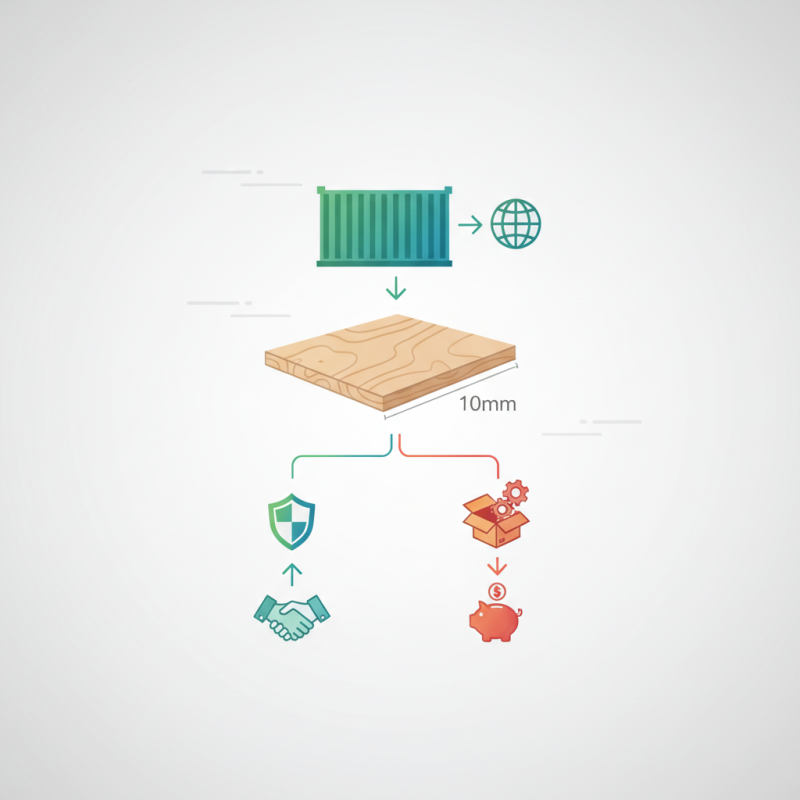
For example, a manufacturer might use 10mm Packing Plywood to package machine parts. That 10mm thickness gives just the right amount of support to prevent any damage during transit. But here’s the thing— not every company really gets how important quality is when it comes to packing plywood. Some might go for cheaper, less durable options, which, honestly, can end up costing them a lot more if stuff breaks.
Skimping on quality can hurt both your reputation and your wallet, so it’s super important to pick the right materials. Spending a little extra on good quality packing plywood can really make or break your shipping process. In the end, choosing the right kind of plywood might be the key difference between a smooth delivery and a costly mess.
What is Packing Plywood? A Comprehensive Overview
Packing plywood is a versatile material widely used in shipping and construction. It is often made from layers of thin wood veneers glued together. The strength of packing plywood makes it ideal for protecting goods during transport. Typical thicknesses can range, with 2.7mm packing grade plywood being a common choice for many applications. This thickness offers a good balance between weight and durability.
In practical terms, packing plywood is used to create crates, pallets, and shipping containers. These applications require material that can endure stress. The lightweight nature of 2.7mm packing grade plywood helps keep shipping costs down. However, it’s essential to consider the load it supports. In some cases, a thicker plywood may be necessary for added strength. Users often face challenges ensuring adequate protection for fragile items.
While packing plywood is effective, shortcomings may arise. For example, not all types handle moisture well, leading to warping. Therefore, selecting the appropriate grade for specific environments is crucial. Users should reflect on their needs and the type of goods being shipped. Overlooking these factors can result in damaged products and increased costs.
Key Properties of Packing Plywood Relevant to Industry Standards
Packing plywood is an essential material in various industries. It is known for its durability and strength, making it a preferred choice for transporting goods. The thickness of packing plywood can vary, but a common option is 2.7mm packing plywood. This specific thickness provides the right balance between weight and sturdiness.
Key properties of packing plywood are crucial to meeting industry standards. It is often moisture-resistant, making it suitable for different environmental conditions. Additionally, packing plywood has a high load-bearing capacity. This is vital for preventing breakage during transportation. Its lightweight nature also contributes to cost-effective shipping.
However, not all packing plywood is of the same quality. Some products may not meet the necessary specifications. It's essential for companies to assess their options carefully. Incorrect choices could lead to damage and financial loss. Balancing cost and quality is a constant challenge in sourcing packing plywood. This requires a reflective approach to achieve the best results.
What is Packing Plywood and How is it Used? - Key Properties of Packing Plywood Relevant to Industry Standards
| Property | Description | Industry Relevance |
| Thickness | Typically ranges from 6mm to 19mm | Critical for load-bearing capacity in shipping containers |
| Weight | Lightweight, helps in reducing transportation costs | Benefits logistics and shipping efficiency |
| Moisture Resistance | Manufactured with waterproof adhesives | Ensures protection of goods in varying climates |
| Durability | Resistant to warping, cracking, and splitting | Essential for maintaining integrity during storage and transit |
| Surface Finish | Can be coated or laminated for additional protection | Enhances aesthetic and functional qualities in packing |
Common Types of Packing Plywood Used in Shipping and Transportation
Packing plywood is an essential material in shipping and transportation. It is used to protect and support goods during transit. Various types of packing plywood cater to different needs. Some common types include film-faced plywood, structural plywood, and marine plywood.
Film-faced plywood is often used for heavy items. Its smooth surface resists moisture and damage.
Structural plywood provides strength and durability, making it suitable for building crates. Marine plywood has excellent water resistance and is used in environments with high humidity. Each type serves specific purposes, yet challenges exist in choosing the right one.
Understanding the weight and fragility of your cargo is key, but many overlook this. It can lead to costly damages. Always assess your packing requirements carefully. Sometimes, a simple change in plywood type can make a significant difference in safety. There’s a need to reflect on what material works best.
Economic Impact of Packing Plywood in Global Trade Markets
Packing plywood plays a crucial role in global trade markets. It serves as an essential material for shipping and transporting goods. In recent years, the demand for packing plywood has surged, driven by the growth of e-commerce. According to a report by Market Research Future, the global packaging plywood market is expected to reach $8.5 billion by 2025. This growth reflects its increasing importance in supply chains worldwide.
The economic impact of packing plywood extends beyond its immediate use. It supports various industries, including construction and furniture. In fact, the wood-based panel market is projected to grow at a rate of 4% annually. This growth is not without challenges. Environmental concerns around deforestation and sustainable sourcing remain pressing issues. Companies must address these challenges to maintain their market positions.
**Tips:** When using packing plywood, choose the right thickness based on weight and type of goods. Ensure proper seals to avoid moisture damage during transport. Consider sourcing from certified suppliers to promote sustainability. Striking a balance between cost and quality is essential. The industry needs to reflect on sustainable practices while meeting increasing demands.
Applications of Packing Plywood Across Various Industries
Packing plywood is a critical material in various industries. Its primary use is in packaging and transportation. It provides strength and support for heavy loads. Many manufacturers utilize 2.7mm packing plywood for its durability. According to industry reports, the global demand for plywood in logistics is projected to increase by 6% annually.
In construction, packing plywood serves multiple roles. It is often used for temporary structures and formwork. Its lightweight nature makes it an effective solution for scaffolding. A survey by the Construction Materials Association shows that 50% of construction companies prefer plywood for these applications. This preference stems from its versatility and strength-to-weight ratio.
The automotive industry also relies on packing plywood. It protects parts during shipping and storage. A report from the Automotive Packaging Council highlights that over 30% of automotive manufacturers use plywood in their supply chains. This choice reflects a growing trend towards sustainable materials. However, the challenge remains to ensure consistent quality and performance across different manufacturers.
Best Practices for Selecting and Using Packing Plywood
When selecting packing plywood, consider quality over cost. A study by the Wood Products Council shows that high-quality plywood can offer up to 25% more durability. This durability is crucial for protecting goods during transportation. Additionally, using plywood with a high grade ensures fewer defects. Look for options that are moisture-resistant, especially for coastal shipping.
The thickness of the plywood also matters. For most applications, panels between
1/2 inch and 3/4 inch provide good strength. However, thinner plywood may not support heavier loads. Improper thickness selection can lead to damage, making it essential to assess the weight of items being packed. Often, companies
overlook this detail, risking product integrity.
Understanding the right adhesive is essential too. Low-quality adhesives can affect plywood durability. They may also cause delamination, leading to costly issues. Research indicates that
water-resistant adhesives can enhance stability. This finding highlights the importance of using proper materials for packing plywood. Selecting the best practices can prevent headaches in logistics, ensuring goods arrive intact.
Environmental Considerations and Sustainability in Plywood Packaging
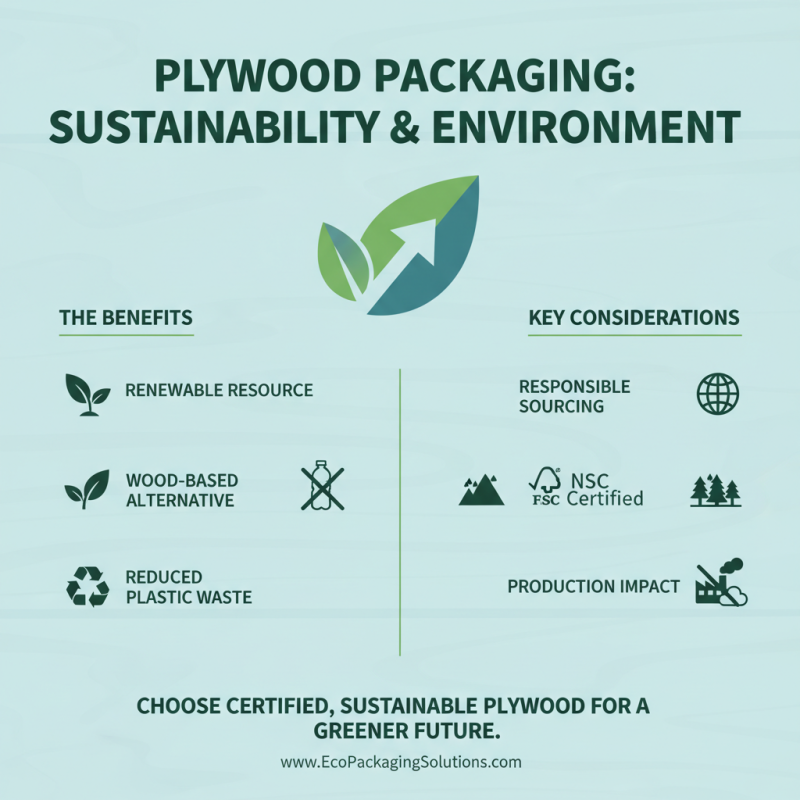
Plywood packaging offers various environmental benefits, especially when considering sustainability. It is made from wood, a renewable resource. This makes it an attractive alternative to plastic packaging. Yet, not all plywood is created equal. Some production methods can harm the environment. It's crucial to choose plywood sourced from responsibly managed forests.
Using 2.7mm packing plywood sheets can enhance not only protection but also sustainability. These sheets are lightweight, durable, and biodegradable. They provide excellent support for shipping goods while minimizing material waste. However, consumers must stay vigilant about the sources of their plywood. Unsustainable harvesting can lead to deforestation and habitat loss.
Tips: Always look for certifications that ensure sustainable practices. Consider recycling options for packing materials. It is essential to educate others about the impact of their choices. Each small change can lead to larger environmental benefits. Review your packaging habits regularly. Are you making the best choices for the planet?
High-Quality Non-Structural Plywood: Wholesale Pricing and Versatile Applications in Construction and Craftsmanship
When it comes to construction and craftsmanship, high-quality non-structural plywood plays a crucial role in ensuring durability and versatility. Among the available options, marine grade plywood stands out due to its exceptional resistance to moisture and overall sturdiness. Available in standard sizes like 4' x 8', it is suitable for a variety of applications, from cabinetry to intricate craft projects. The thickness options, ranging from ⅛" to 1", provide flexibility for different uses, ensuring that builders and artisans can find the perfect fit for their specific needs.
In addition to its functional benefits, non-structural plywood is also prized for its aesthetic qualities. It can be easily finished or painted, making it ideal for both visible structures and hidden applications in homes and commercial spaces. Whether used for creating custom furniture, decorative panels, or even as a base for artistic endeavors, this type of plywood not only meets the practical demands of construction but also enhances the visual appeal of a project. With competitive wholesale pricing, high-quality non-structural plywood becomes an accessible choice for professionals and DIY enthusiasts alike, facilitating creativity and efficiency in every build.
FAQS
: Packing plywood consists of layers of thin wood veneers glued together.
Its strength protects goods during transport, minimizing damage.
2.7mm is a popular thickness, balancing weight and durability.
Choosing the wrong thickness can lead to damage and increased costs.
Some types may warp due to moisture exposure, affecting performance.
Higher-quality plywood offers better durability, often lasting up to 25% longer.
Low-quality adhesives can cause delamination, impacting the plywood's integrity.
Plywood is a renewable resource, making it a better option than plastic.
Ensure it’s moisture-resistant and sourced from responsibly managed forests.
Regular reviews help ensure the best choices are made for logistics and the environment.
Conclusion
Packing Plywood is an essential material in the shipping and transportation industry, offering durability and strength for various applications. This comprehensive overview highlights its key properties, which meet industry standards and ensure the safe transport of goods. Common types of Packing Plywood utilized include marine-grade and structural variants, each tailored for specific shipping needs.
The economic impact of Packing Plywood in global trade markets is significant, enhancing efficiency and reducing costs. It finds applications across diverse industries, from logistics to manufacturing, where it plays a pivotal role in packaging and protection. Selecting the right type of Packing Plywood involves best practices that consider factors like load capacity and environmental sustainability, emphasizing the importance of responsible sourcing and use in the plywood industry.